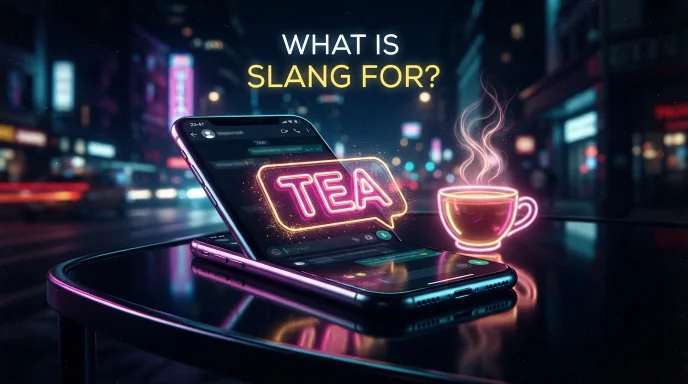
“Tea” in slang means gossip, juicy information, or the truth about a situation or someone’s life.
Kabhi kisi ne aap se pucha “spill the tea” ya “what’s the tea”? Agar haan, to aap ne already is slang term ko sun liya hai bina realize kiye.
“Tea” slang aajkal social media aur casual conversations mein bohat commonly use hota hai, especially gossip ya juicy information share karte waqt. Ye word Gen Z aur online communities ka favorite ban chuka hai.
Agar aapko exactly nahi pata ye word kahan se aaya aur kaise use hota hai, to worry mat karein. Is post mein hum aapko iska complete meaning aur origin batayenge.
Hum “tea” k different uses, examples, aur real-life context explain karenge taake next time koi ye word use kare to aap easily samajh sakein.
Quick Answer:
Tea is slang for gossip, interesting news, or the truth about a situation. People use it when sharing or asking for juicy information.
What Does “Tea” Mean in Text?
In text messages and online conversations, tea means gossip, news, secrets, or truthful information about someone or something.
When someone says:
- “Spill the tea.” : They are asking someone to share gossip or interesting details.
- “That’s the tea.” : They mean “That’s the truth.”
- “I have some tea.” :They have interesting news or gossip to share.
The slang is usually playful and informal.
Full Form
Unlike many internet abbreviations, tea is not officially an acronym.
Some people mistakenly believe it stands for:
- Point of Sale (POS)
- Piece of Sh*t (POS)
- Point of Service (POS)
These are completely different abbreviations and have nothing to do with the slang word “tea.”
Definition
Tea (slang):
Information, gossip, rumors, personal updates, or the truth about a person or situation.
Is It Rude, Offensive, or Neutral?
Generally, tea is considered neutral.
Neutral Uses
- Sharing celebrity news
- Talking with friends
- Discussing everyday events
- Social media conversations
Potentially Negative Uses
If the “tea” involves:
- Spreading rumors
- Sharing private information
- Gossiping maliciously
then the conversation itself may become inappropriate—not the word “tea.”
Overall, the slang is not offensive by itself.
Where Is It Commonly Used?
The slang appears across many online platforms and casual conversations.
Common places include:
- Text messages
- TikTok
- Snapchat
- X (Twitter)
- Discord
- YouTube comments
- Group chats
It’s especially popular among younger internet users but is now widely recognized across different age groups.
Real-Life Examples of Usage
Here are several examples showing how “tea” is used naturally.
Friendly
Emma: I finally met my favorite singer!
Sarah: Really? Spill the tea!
Casual
“I’ve got some tea about yesterday’s party.”
At School
“Everyone was talking about the teacher’s announcement. That was today’s tea.”
Workplace
“Did you hear the tea from today’s meeting?”
Celebrity News
“The internet can’t stop talking about the latest celebrity tea.”
Truth
“That’s the tea.”
Meaning:
“That’s the truth.”
Origin and Background of the Slang
The slang tea has an interesting history.
It became popular in Black drag culture and LGBTQ+ communities in the United States during the late 20th century.
Originally, “T” or “tea” referred to truth or personal information.
Later, the phrase became widely recognized through:
- Drag culture
- Ballroom culture
- Reality TV
- Pop culture
- Memes
- Social media
Today, millions of people use “tea” without knowing its cultural origins.
Comparison with Similar Slang
Many slang words have meanings similar to “tea.”
| Slang | Meaning | Common Use | Tone |
| Tea | Gossip or truth | Social media, texting | Neutral |
| Spill the tea | Share gossip | Casual conversations | Friendly |
| Gossip | Informal talk about others | Everyday English | Neutral |
| Dirt | Damaging information | Informal | Slightly negative |
| Scoop | Exclusive news | News or media | Neutral |
| Rumor | Unconfirmed information | General conversations | Neutral |
When to Avoid Using It
Although “tea” is harmless most of the time, there are situations where it may not be appropriate.
Avoid using it:
- During formal business meetings
- In academic writing
- In professional emails
- In legal or official documents
- When discussing sensitive personal matters
Using standard English is usually a better choice in professional settings.
Polite Alternatives
If you prefer not to use slang, consider these alternatives:
- Information
- News
- Update
- Details
- Story
- Facts
- Truth
- Latest news
- Recent developments
For example:
Instead of:
“Spill the tea.”
You could say:
“Tell me what happened.”
Why People Use This Slang
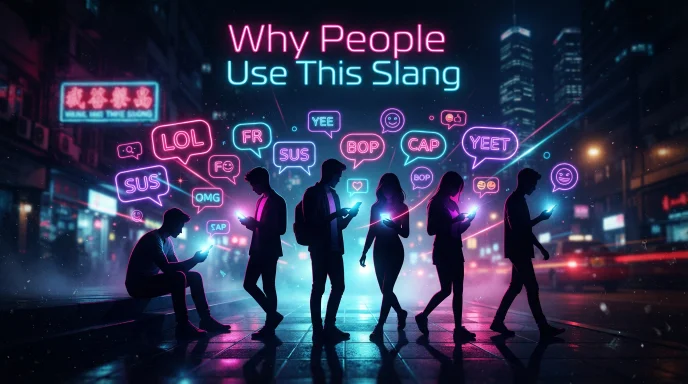
People like using “tea” because it’s:
- Short
- Fun
- Expressive
- Easy to understand
- Popular on social media
It also makes conversations feel more casual and engaging.
Rather than saying:
“Tell me all the recent information.”
Most people simply say:
“Spill the tea.”
Impact of Using Slang in Communication
Slang helps people communicate in a relaxed and friendly way.
Positive Effects
- Builds social connections
- Makes conversations entertaining
- Reflects internet culture
- Creates shared understanding
Negative Effects
- May confuse older audiences
- Can seem unprofessional
- Sometimes encourages gossip
- Not suitable for every situation
Using slang appropriately depends on your audience and the setting.
Is It Safe for Social Media?
Yes.
The slang tea is generally safe to use on:
- TikTok
- Snapchat
- X (Twitter)
- Discord
However, avoid using it to spread:
- False rumors
- Private information
- Harassment
- Defamation
Responsible communication is always important.
Examples of “Tea” in Different Contexts
Friendly
Friend A: I have some exciting tea!
Friend B: Tell me everything!
Casual
“I heard some tea about the new restaurant opening downtown.”
Argumentative
“So now you’re finally telling the tea after hiding it for weeks?”
Gaming Context
“Our teammate has some tea about why the clan broke up.”
Social Media Context
“Drop the tea in the comments!”
Family Conversation
“My cousin always has the latest family tea.”
Entertainment
“Fans are waiting for the celebrity to spill the tea.”
Comparison
| Term | Meaning | Positive or Negative | Common Platform |
| Tea | Gossip or truth | Usually neutral | TikTok, Instagram |
| Spill the Tea | Share gossip | Neutral | Social media |
| Scoop | Exclusive news | Positive | Journalism |
| Gossip | Talk about others | Neutral to negative | Everyday conversation |
| Dirt | Embarrassing information | Negative | Informal speech |
FAQs
What does tea mean in slang?
Tea means gossip, interesting news, or the truth about a situation.
What is the tea in Gen Z slang?
“Tea” in Gen Z slang means gossip, juicy information, or the truth about a situation.
How is “tea” used on social media?
On social media, “tea” is used in phrases like “spill the tea” to ask for or share gossip.
What does a girl mean when she says tea?
When a girl says “tea,” she usually means she has gossip or interesting news to share.
What does tee mean in slang?
“Tee” is just an alternate spelling of “tea,” meaning gossip or juicy details.
Can I use tea in professional communication?
It’s better to avoid slang like “tea” in professional emails, business meetings, or formal documents.
Conclusion
If you’ve wondered what is tea slang for, the answer is simple: tea refers to gossip, interesting news, secrets, or the truth about a person or situation. It is a popular internet expression used in text messages, social media posts, and casual conversations.
The phrase is generally neutral, fun, and easy to understand, making it a favorite in online culture. Still, context matters. While “spill the tea” works well among friends, it’s best to avoid slang in formal or professional settings.
Understanding the meaning, origin, and proper usage of tea helps you communicate more naturally and confidently in today’s digital world.

Hi, I’m Rebecca Morris, a UK-based freelance writer and editor with a passion for creating clear, engaging, and well-researched content. I write about lifestyle, technology, travel, and consumer topics, with a focus on making complex information simple and useful for everyday readers. I enjoy producing accurate, practical, and trustworthy articles that help people make informed decisions. When I’m not writing, I love exploring the British countryside, discovering independent cafés, and staying up to date with the latest trends in digital media and online publishing