“Alright” in Spanish slang is commonly expressed as vale, meaning “okay,” “sounds good,” or “alright
.”Alright in spanish slang is a phrase people search for when they want to know how native Spanish speakers casually say “alright,” “okay,” or “fine” in everyday conversations. Unlike English, Spanish does not have just one slang word for “alright.” The best expression depends on the country, situation, and tone of the conversation.
Spanish speakers use different words to show agreement, acceptance, excitement, or that everything is okay. Some expressions sound friendly and casual, while others are more regional slang used mainly in texting or social conversations.
Quick Answer!
In Spanish slang, “alright” is commonly expressed as “vale,” “dale,” “okey,” “todo bien,” or “está bien.” The most natural choice depends on the Spanish-speaking country and context.
What Does “Alright in Spanish Slang” Mean in Text?
When someone asks about alright in spanish slang meaning in text, they usually want to know how to translate casual English messages like:
- “Alright, I’ll do it.”
- “Alright, sounds good.”
- “Are you alright?”
- “Everything alright?”
In Spanish texting and casual speech, people often replace formal phrases with shorter slang expressions.
Common meanings include:
- Agreement: “Okay, I agree.”
- Confirmation: “Got it.”
- Reassurance: “Everything is fine.”
- Acceptance: “No problem.”
For example:
English: Alright, see you later.
Spanish slang: Vale, nos vemos luego.
Alright in Spanish Slang Full Form
There is no exact “alright in spanish slang full form” because “alright” is an English expression, not an acronym. However, Spanish speakers use several informal words with the same meaning.
Common Spanish equivalents:
Vale
Meaning: Okay, alright, sounds good.
Common in:
- Spain
- Casual conversations
Example:
“Vale, te llamo después.”
(Alright, I’ll call you later.)
Dale
Meaning: Okay, go ahead, alright.
Common in:
- Argentina
- Uruguay
- Colombia
- Other Latin American countries
Example:
“Dale, vamos.”
(Alright, let’s go.)
Okey / Okay
Meaning: Okay, alright.
Used widely online and in texting.
Example:
“Okey, entiendo.”
(Alright, I understand.)
Todo bien
Meaning: Everything’s fine / no worries.
Example:
“¿Estás bien?”
“Sí, todo bien.”
(Are you okay? Yes, everything’s alright.)
Is “Alright in Spanish Slang” Rude, Offensive, or Neutral?
Most Spanish slang alternatives for “alright” are neutral or friendly.
Neutral expressions:
- Vale
- Está bien
- Okey
- Todo bien
More casual expressions:
- Dale
- Va
- Listo
They are not offensive, but the tone matters.
For example:
“Vale.”
can mean:
- Friendly: “Okay!”
- Cold or annoyed: “Fine.”
The same word can sound different depending on voice, punctuation, and situation.
Where Is “Alright” Commonly Used in Spanish?
Different Spanish-speaking regions prefer different expressions.
| Expression | Common Areas |
| Vale | Spain |
| Dale | Argentina, Uruguay, Latin America |
| Okey | Most Spanish-speaking countries |
| Todo bien | Latin America |
| Está bien | Worldwide Spanish |
| Listo | Colombia and many Latin American countries |
Spanish slang changes from country to country, so a phrase that sounds natural in one place may sound unusual somewhere else.
Real-Life Examples of “Alright in Spanish Slang” Usage
Friendly Conversation
English: Alright, see you tomorrow!
Spanish: Vale, ¡nos vemos mañana!
English: Alright, that sounds great.
Spanish: Dale, suena genial.
Casual Texting
Friend: ¿Vienes esta noche?
(Are you coming tonight?)
Reply: Okey, voy en un rato.
(Alright, I’ll come in a bit.)
Agreement
Person 1: Vamos al cine después.
(Let’s go to the movies later.)
Person 2: Dale.
(Alright.)
Argumentative Tone
Person 1: Nunca escuchas lo que digo.
(You never listen to what I say.)
Person 2: Vale, como quieras.
(Alright, whatever you want.)
Here, “vale” may sound annoyed because of the context.
Gaming or Social Media Context
Player: Ready for the next match?
Reply: Dale, vamos.
Meaning:
“Alright, let’s go.”
Gamers often use short expressions like:
- Dale
- Va
- Okey
- Listo
because they are quick to type.
Origin and Background of Spanish “Alright” Slang
The idea behind “alright” comes from informal English communication where people use short words to show agreement or acceptance.
Spanish developed its own casual expressions over time:
- Vale comes from the Spanish verb “valer,” meaning “to be worth” or “to be valid.”
- Dale comes from “dar” (to give) and literally relates to “give it,” but it developed into a meaning similar to “go ahead” or “alright.”
- Okey entered Spanish through English influence and became common in modern communication.
Social media, texting, movies, and global communication have made these expressions even more popular.
Comparison With Similar Slang Terms
| Slang | Meaning | Tone | Common Usage |
| Vale | Alright / okay | Casual | Spain |
| Dale | Alright / go ahead | Friendly | Latin America |
| Okey | Okay | Neutral | Online texting |
| Va | Okay / sure | Very casual | Mexico and Latin America |
| Listo | Done / alright | Casual | Many Latin countries |
When to Avoid Using Casual Spanish Slang
Although these expressions are common, avoid slang in situations that require formal language.
Avoid using slang in:
- Job interviews
- Official emails
- Business communication
- Academic writing
- Formal presentations
Instead of:
“Dale, perfecto.”
Use:
“De acuerdo, perfecto.”
(Agreed, perfect.)
Polite Alternatives to “Alright” in Spanish
For more respectful conversations, use:
- De acuerdo — Agreed
- Está bien — That is fine
- Perfecto — Perfect
- Comprendido — Understood
These sound more professional while keeping the same meaning.
Why Do People Use “Alright in Spanish Slang”?
People use casual Spanish expressions because they make conversations:
- Faster
- More natural
- More friendly
- More connected to local culture
Slang helps people communicate emotions, not just information.
For example:
“Dale” can express:
- Agreement
- Excitement
- Encouragement
A simple word can carry personality and attitude.
Impact of Using Spanish Slang in Communication
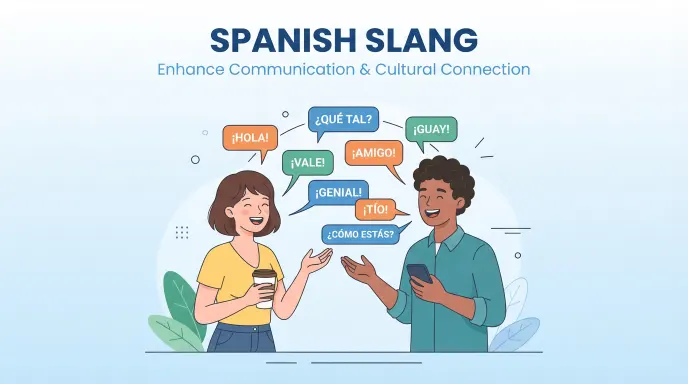
Using the right slang can make conversations feel more natural. It can help learners sound less like they are translating directly from English.
However, incorrect slang usage can sometimes sound strange because expressions vary by country.
Understanding context is important.
A Spanish learner using “vale” in Spain may sound natural, but using it everywhere may not always match local speech patterns.
Is “Alright in Spanish Slang” Safe for Social Media?
Yes, Spanish slang for “alright” is generally safe for social media.
Common examples:
- Vale
- Dale
- Okey
- Todo bien
- Listo
These are normal words used in:
- Comments
- Messages
- Gaming chats
- Social platforms
Always consider the audience and region because slang meanings can change.
Examples Section: Different Tones
Friendly
“Dale, nos vemos mañana.”
(Alright, see you tomorrow.)
Casual
“Va, te aviso después.”
(Alright, I’ll let you know later.)
Excited
“Daleee, vamos!”
(Alright, let’s go!)
Annoyed
“Vale, haz lo que quieras.”
(Alright, do whatever you want.)
Social Media/Gaming
“Dale bro, próxima partida.”
(Alright bro, next match.)
FAQs
1. Spanish Slang for “OK”Answer?
“Vale” is a common Spanish slang word meaning “OK” or “all right.”
How to Say “OK” in Spanish Slang?
In Spanish slang, you can say “Vale” or “Dale” (common in Latin America)
.3. How to Say “Alright” in SpanishAnswer:
“Alright” in Spanish is “Está bien” or “Vale
.”4. How to Say “Okay, All Right” in SpanishAnswer:
You can say “Vale” or “Está bien,” depending on the situation.
Conclusion
Alright in spanish slang does not have one single translation. Spanish speakers use different expressions like vale, dale, okey, and todo bien depending on their country and the situation.
The meaning of these phrases can change with tone and context. For casual conversations, texting, and social media, slang is a natural way to communicate. For professional situations, more formal Spanish expressions are better.
Learning when and how to use these words helps you communicate more naturally with Spanish speakers.
Explore more!

I am Alisha Abbas, a slang expert and language enthusiast specializing in modern slang, internet expressions, and everyday language trends. I study the meanings, origins, and cultural influences behind slang words to make them easy to understand for readers. My work focuses on exploring how language evolves and helping people communicate better in today’s fast-changing digital world.